Want the secondhand scoop?

Sign up for a free account below.
*By signing up, you agree to our terms and conditions and privacy policy. You may unsubscribe at any time.
Thank you! Check your email for next steps.
Oops! Something went wrong while submitting the form. Please try again.
Email marketing for your vintage shop, part 3: Building an email sequence
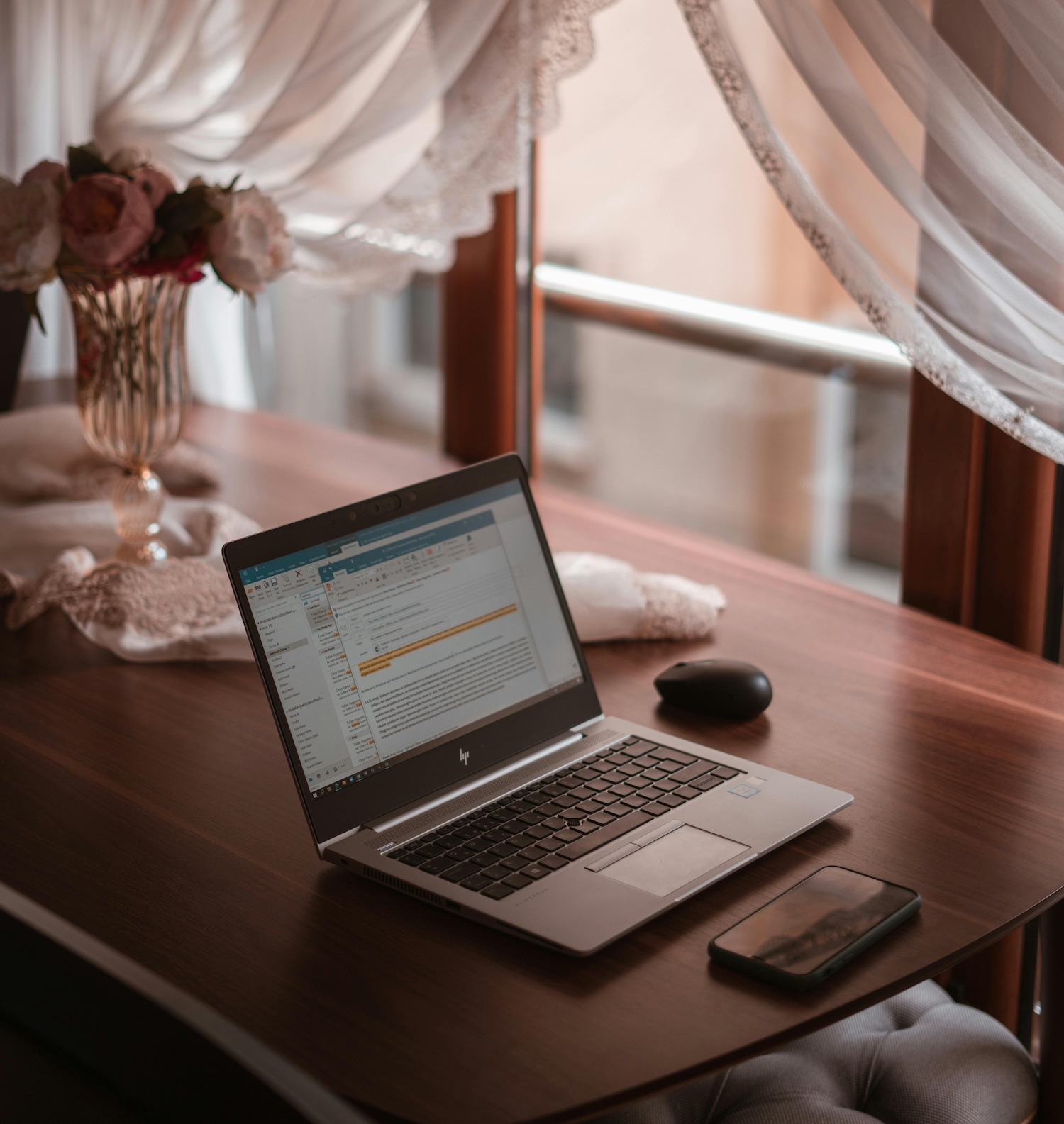
A set-it-and-forget-it sequence can help save your shop's marketing. Photo: Sami Abdullah/Pexels
Progress

Email marketing for your vintage shop, part 3: Building an email sequence

Progress

The final installment of our three-part series on curating an email strategy for your secondhand shop that turns casual subscribers into a loyal community

In our two previous posts, we covered some of the basics of e-marketing.

In Part 1, we discussed how to collect emails, audience and promoting your list In Part 2, it was all about content considerations, email providers, anti-spam rules and examples of emails.

How to put all of that into practice?

That’s what we’ll cover in this article: structuring email flows, more specific content ideas and ways to segment your list.

Creating an email sequence

Once you’ve started collecting emails, you may want to consider a couple of routes for content to nurture those potential customers — in other words, to maintain your existing relationship. Communicating consistently, even just once a month, is better than randomly shooting out a promo email once in a while.

Considering both of the below options will strike a balance between promotional and value-added content to avoid overwhelming subscribers with hard sells asking them to buy items from your inventory.

1. Periodic, one-off content that changes

When you get started with email, you will probably be most focused on time-sensitive, periodic emails. A consistent email schedule will help keep you top-of-mind with your subscribers.

You might create a schedule for yourself to send one promotional email monthly, biweekly or weekly, using a combination of ideas from below:

Promotional email ideas

  • Exclusive discounts
  • Sales
  • Seasonal promotions
  • Loyalty rewards
  • Events you are participating in
  • New collection drops or product arrivals
  • Sneak peeks/early access to arrivals for email subscribers only
  • Event invitations (in-store or online events you might be participating in)

News/information email ideas

  • Markets you have coming up New booth announcements
  • Collaborations
  • Stories about what you’ve been up to lately
  • Sharing a fun photo with your list that helps them peek into what life is like for you as a vintage shop owner
  • Recommendations (i.e. a January email might highlight a trend for the year and show products from your shop that fit)
  • Series content, like a quarterly newsletter or a monthly roundup of new arrivals, events and news tidbits
  • Info or history about certain types of products in your inventory

2. An automated flow

An automated flow is a series of emails your subscriber will receive over time. Most email providers have some automation features so that you can set up a simple flow for your email list.

These are “evergreen” emails, meaning they are not time-based. They are outside of the promotional or seasonal emails that you will send, and are more education- or communication-based.

An automated flow takes a little bit of time to set up because you have to write the emails ahead of time, but once you do it, you don’t have to worry about it anymore. Deployments happen in the background, meaning that you can just focus on sending additional tips/promotions periodically.

If you’re using Etsy or Shopify or another platform that has built in e-marketing, use their suggested email flows as a starting point — for example, emailing if a user has abandoned a cart, or supplying an order confirmation, or following up post-purchase.

But you may want to consider additional automatic flows to build your brand and provide more value to your customers beyond their purchase journey.

Continued below

Get 1:1 support for your shop

Book a strategy session

Continued from above

Sample automated flow

Here’s a sample automated flow for your shop — use it as a starting point and add or subtract as you see fit:

1. Subscriber joins list.

2. Immediately receives a double opt-in email to confirm they want to be on the list (anti-spam rules).

3. After they opt-in, subscriber immediately receives a welcome email.

Example: A warm hello from you welcoming them into your world, with an introduction of your shop. Let them know what to expect from you (periodic discounts, event invitations, tips, whatever you plan to send). Include a call to action for them to explore your shop on social media or wherever you live online.

4. Two weeks later, the subscriber receives a valuable educational email from you.

Example: Tips on styling a shelf with vintage decor, or tips on putting together a vintage outfit. Include a call to action at the bottom for them to browse your shop to find similar items.

5. Six weeks later, the subscriber receives an email going into a behind-the-scenes aspect of your shop.

Example: “This is what I do in a day when I source for you.” Include photos and make it a fun story! End the email with a call-to-action for them to let you know if there is anything specific they are looking for.

6. Two months later, the subscriber receives an email with a customer testimonial(s) to help build social proof and highlight positive experiences people have had with you.

Example: Create a Canva graphic that shows recent purchases and reviews from customers. Include a call-to-action at the bottom of the email for them to visit your shop.

7. Four months after joining, the subscriber receives a customer survey asking what they want to see from your shop (so you get sourcing ideas!).

Example: Create a simple Google Form survey and include an incentive for them to fill it out ($20 gift card, for example). Ask them what they’re currently looking for, what they’ve been looking for but can’t find, favourite thing they’ve bought lately, etc. Keep the only call to action in this email the survey, to drive them to fill it out.

8. Six months after joining, the subscriber receives a re-introduction email about you and your shop.

Example: Share a great and heartwarming story about why you got into selling vintage. Include a call to action to connect with you on social media.

9. Eight months after joining,  the subscriber receives another behind-the-scenes email from you.

Example: Share a photo of you packing an order and the feeling you get when you receive a new order as a small business owner. Include a call-to-action for them to visit your shop.

10. Ten months after joining, the subscriber receives an educational email about the history of one of the types of items you sell.

Example: Share a little-known or fun fact about one of your regularly stocked inventory items. If it’s Libbey glassware, maybe it’s “how to tell the difference between Libbey and Anchor Hocking” or something. Include a call-to-action for the customer to visit your shop to explore more Libbey glassware.

11. Twelve months after joining (on the anniversary of them joining your email list), the subscriber receives a customer appreciation email offering a limited-time discount.

Example: Tell your subscribers how much you value their support, and show the difference it’s made for your shop in the past year. Include a story about how you’ve grown. Include a call-to-action to shop with a discount code.

Segmenting your list

Email providers allow you to set up advanced options, including segmentation, which means dividing your list into subsets so that you can send specific emails to specific groups.

You might consider segmenting based on:

Purchase history: Target customers with personalized product recommendations based on their past purchases or interests. For example, if you’re selling vintage clothes and decor, you could send your clothing buyers a specific email about a fashion collection drop.

Engagement level: Tailor content based on subscribers' engagement with previous emails (e.g., opens, clicks). For example, you might have a VIP club of email subscribers who open 70%+ of your emails, and you send them an email with a specific discount only for them.

Demographics: Segment by demographics such as age or location to deliver targeted content. For example, if you are doing a market in a neighbouring city, you could send additional promotional emails to the subscribers who are in that city and might be more likely to attend.

Date of joining your list: Segment by recent subscribers to offer them special promotions, or provide special discounts to subscribers that joined your list during your shop’s birthday month.

You may want to periodically clean or update your list by removing inactive emails or sending an email to people who haven’t opened your emails after a certain period of time to try to re-engage them.

Have questions about email or want to work through an email flow? Drop in the comments below!

In our two previous posts, we covered some of the basics of e-marketing.

In Part 1, we discussed how to collect emails, audience and promoting your list In Part 2, it was all about content considerations, email providers, anti-spam rules and examples of emails.

How to put all of that into practice?

That’s what we’ll cover in this article: structuring email flows, more specific content ideas and ways to segment your list.

Creating an email sequence

Once you’ve started collecting emails, you may want to consider a couple of routes for content to nurture those potential customers — in other words, to maintain your existing relationship. Communicating consistently, even just once a month, is better than randomly shooting out a promo email once in a while.

Considering both of the below options will strike a balance between promotional and value-added content to avoid overwhelming subscribers with hard sells asking them to buy items from your inventory.

1. Periodic, one-off content that changes

When you get started with email, you will probably be most focused on time-sensitive, periodic emails. A consistent email schedule will help keep you top-of-mind with your subscribers.

You might create a schedule for yourself to send one promotional email monthly, biweekly or weekly, using a combination of ideas from below:

Promotional email ideas

  • Exclusive discounts
  • Sales
  • Seasonal promotions
  • Loyalty rewards
  • Events you are participating in
  • New collection drops or product arrivals
  • Sneak peeks/early access to arrivals for email subscribers only
  • Event invitations (in-store or online events you might be participating in)

News/information email ideas

  • Markets you have coming up New booth announcements
  • Collaborations
  • Stories about what you’ve been up to lately
  • Sharing a fun photo with your list that helps them peek into what life is like for you as a vintage shop owner
  • Recommendations (i.e. a January email might highlight a trend for the year and show products from your shop that fit)
  • Series content, like a quarterly newsletter or a monthly roundup of new arrivals, events and news tidbits
  • Info or history about certain types of products in your inventory

2. An automated flow

An automated flow is a series of emails your subscriber will receive over time. Most email providers have some automation features so that you can set up a simple flow for your email list.

These are “evergreen” emails, meaning they are not time-based. They are outside of the promotional or seasonal emails that you will send, and are more education- or communication-based.

An automated flow takes a little bit of time to set up because you have to write the emails ahead of time, but once you do it, you don’t have to worry about it anymore. Deployments happen in the background, meaning that you can just focus on sending additional tips/promotions periodically.

If you’re using Etsy or Shopify or another platform that has built in e-marketing, use their suggested email flows as a starting point — for example, emailing if a user has abandoned a cart, or supplying an order confirmation, or following up post-purchase.

But you may want to consider additional automatic flows to build your brand and provide more value to your customers beyond their purchase journey.

Continued below

Get 1:1 support for your shop

Book a strategy session

Continued from above

Sample automated flow

Here’s a sample automated flow for your shop — use it as a starting point and add or subtract as you see fit:

1. Subscriber joins list.

2. Immediately receives a double opt-in email to confirm they want to be on the list (anti-spam rules).

3. After they opt-in, subscriber immediately receives a welcome email.

Example: A warm hello from you welcoming them into your world, with an introduction of your shop. Let them know what to expect from you (periodic discounts, event invitations, tips, whatever you plan to send). Include a call to action for them to explore your shop on social media or wherever you live online.

4. Two weeks later, the subscriber receives a valuable educational email from you.

Example: Tips on styling a shelf with vintage decor, or tips on putting together a vintage outfit. Include a call to action at the bottom for them to browse your shop to find similar items.

5. Six weeks later, the subscriber receives an email going into a behind-the-scenes aspect of your shop.

Example: “This is what I do in a day when I source for you.” Include photos and make it a fun story! End the email with a call-to-action for them to let you know if there is anything specific they are looking for.

6. Two months later, the subscriber receives an email with a customer testimonial(s) to help build social proof and highlight positive experiences people have had with you.

Example: Create a Canva graphic that shows recent purchases and reviews from customers. Include a call-to-action at the bottom of the email for them to visit your shop.

7. Four months after joining, the subscriber receives a customer survey asking what they want to see from your shop (so you get sourcing ideas!).

Example: Create a simple Google Form survey and include an incentive for them to fill it out ($20 gift card, for example). Ask them what they’re currently looking for, what they’ve been looking for but can’t find, favourite thing they’ve bought lately, etc. Keep the only call to action in this email the survey, to drive them to fill it out.

8. Six months after joining, the subscriber receives a re-introduction email about you and your shop.

Example: Share a great and heartwarming story about why you got into selling vintage. Include a call to action to connect with you on social media.

9. Eight months after joining,  the subscriber receives another behind-the-scenes email from you.

Example: Share a photo of you packing an order and the feeling you get when you receive a new order as a small business owner. Include a call-to-action for them to visit your shop.

10. Ten months after joining, the subscriber receives an educational email about the history of one of the types of items you sell.

Example: Share a little-known or fun fact about one of your regularly stocked inventory items. If it’s Libbey glassware, maybe it’s “how to tell the difference between Libbey and Anchor Hocking” or something. Include a call-to-action for the customer to visit your shop to explore more Libbey glassware.

11. Twelve months after joining (on the anniversary of them joining your email list), the subscriber receives a customer appreciation email offering a limited-time discount.

Example: Tell your subscribers how much you value their support, and show the difference it’s made for your shop in the past year. Include a story about how you’ve grown. Include a call-to-action to shop with a discount code.

Segmenting your list

Email providers allow you to set up advanced options, including segmentation, which means dividing your list into subsets so that you can send specific emails to specific groups.

You might consider segmenting based on:

Purchase history: Target customers with personalized product recommendations based on their past purchases or interests. For example, if you’re selling vintage clothes and decor, you could send your clothing buyers a specific email about a fashion collection drop.

Engagement level: Tailor content based on subscribers' engagement with previous emails (e.g., opens, clicks). For example, you might have a VIP club of email subscribers who open 70%+ of your emails, and you send them an email with a specific discount only for them.

Demographics: Segment by demographics such as age or location to deliver targeted content. For example, if you are doing a market in a neighbouring city, you could send additional promotional emails to the subscribers who are in that city and might be more likely to attend.

Date of joining your list: Segment by recent subscribers to offer them special promotions, or provide special discounts to subscribers that joined your list during your shop’s birthday month.

You may want to periodically clean or update your list by removing inactive emails or sending an email to people who haven’t opened your emails after a certain period of time to try to re-engage them.

Have questions about email or want to work through an email flow? Drop in the comments below!

Thank you for valuing our work!

We rely on reader support to provide this in-depth content and only
Champion
members can see this page. Sign up or upgrade to view, or log in below.

Join our  network & get benefits

Become a member
Become a member

Want the secondhand scoop?

Sign up for a free account below.
*By signing up, you agree to our terms and conditions and privacy policy. You may unsubscribe at any time.
Thank you! Check your email for next steps.
Oops! Something went wrong while submitting the form. Please try again.

Support our work to see this page.

You’ve got a good eye, but this gem is only available for members. Register for a plan or upgrade your current one to peek behind this vintage curtain, or log in below.